Energy savings
Reducing heat loss through the glazing and frame can lower space-heating demand and improve whole-building efficiency.

WINDOW SYSTEMS
We select window systems around the building, the energy target, the architectural intent and the budget — not around a single manufacturer.
TIMBER ALUCLAD
Timber aluclad windows combine an engineered timber frame with an external aluminium skin. The result is a premium window that feels warm and natural internally while the aluminium protects the weather-facing surface from rain, UV exposure and everyday wear.
They are particularly well suited to design-led homes, exposed sites, coastal locations, low-energy projects and renovations where appearance matters as much as long-term performance.

ALUMINIUM WINDOWS
Modern thermally broken aluminium windows combine strength with slim sightlines, making them ideal where generous glass areas, crisp detailing and long-term durability are priorities.
The inherent strength of aluminium allows larger openings and narrower-looking frames than many conventional alternatives. High-quality powder-coated finishes resist fading, warping and routine weather exposure with very little upkeep.

FIBREGLASS COMPOSITE
Our composite window options use advanced reinforcement technology to deliver strong thermal performance without relying on heavy conventional steel reinforcement throughout the frame.
This helps create slimmer, more efficient profiles with excellent dimensional stability, while supporting larger elements and highly insulated glazing packages. Selected systems are available with whole-window U-values in the region of 0.7 W/m²K, subject to final size, glazing and configuration.

WHY HIGH-PERFORMANCE WINDOWS?
Reducing heat loss through the glazing and frame can lower space-heating demand and improve whole-building efficiency.
Warmer internal surface temperatures and better airtightness help reduce cold downdraughts and uneven room temperatures.
Appropriate glazing and well-sealed frames can significantly improve acoustic comfort, particularly in busy urban locations.
Better fabric performance reduces operational energy demand, while durable and recyclable materials can improve whole-life performance.
ALUPLAST • ENERGETO NEO
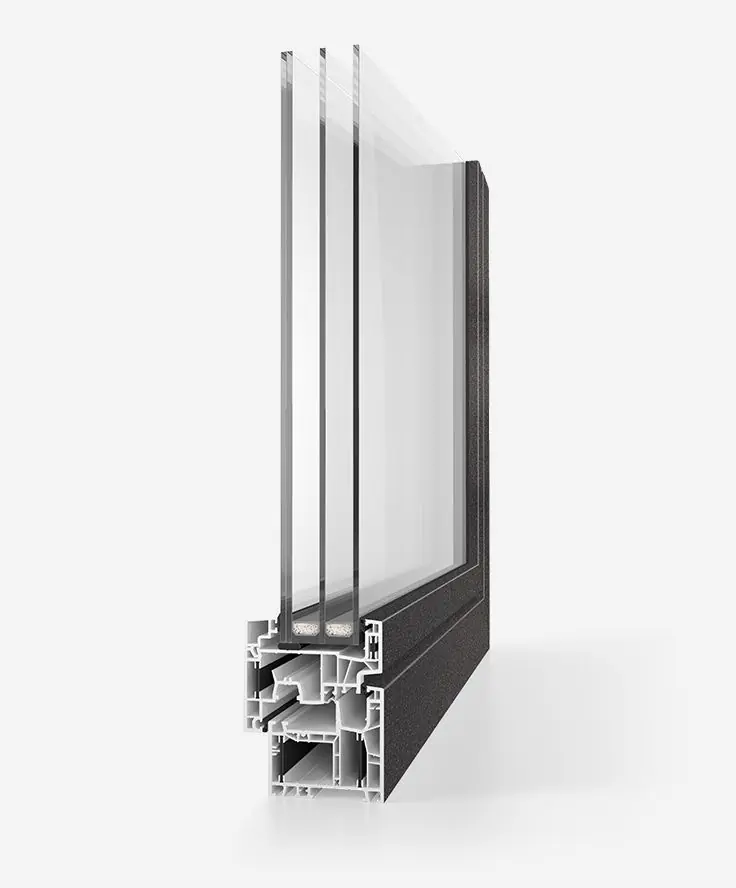
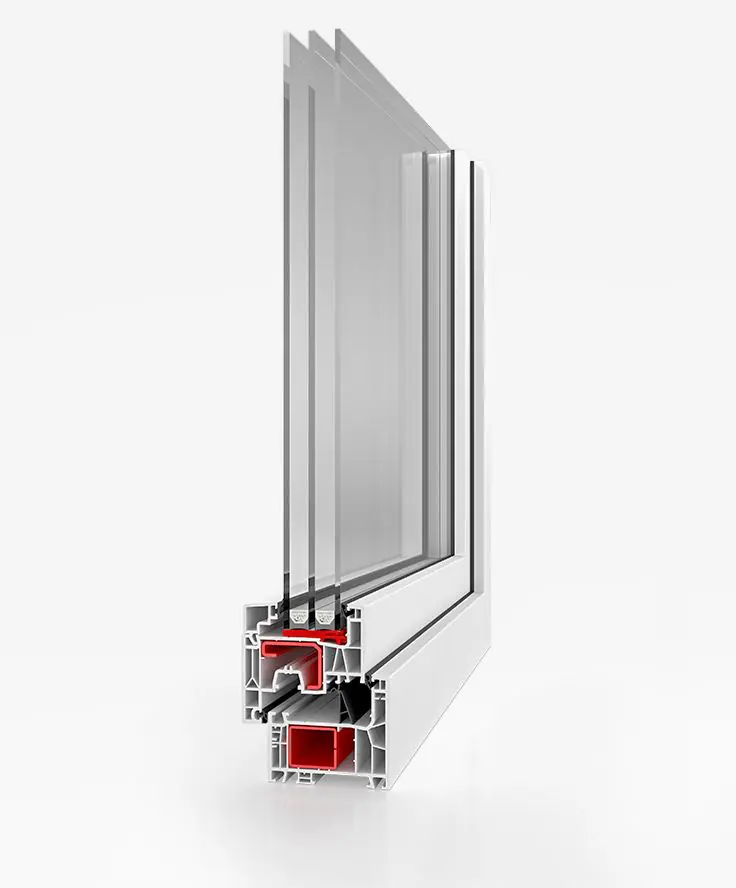
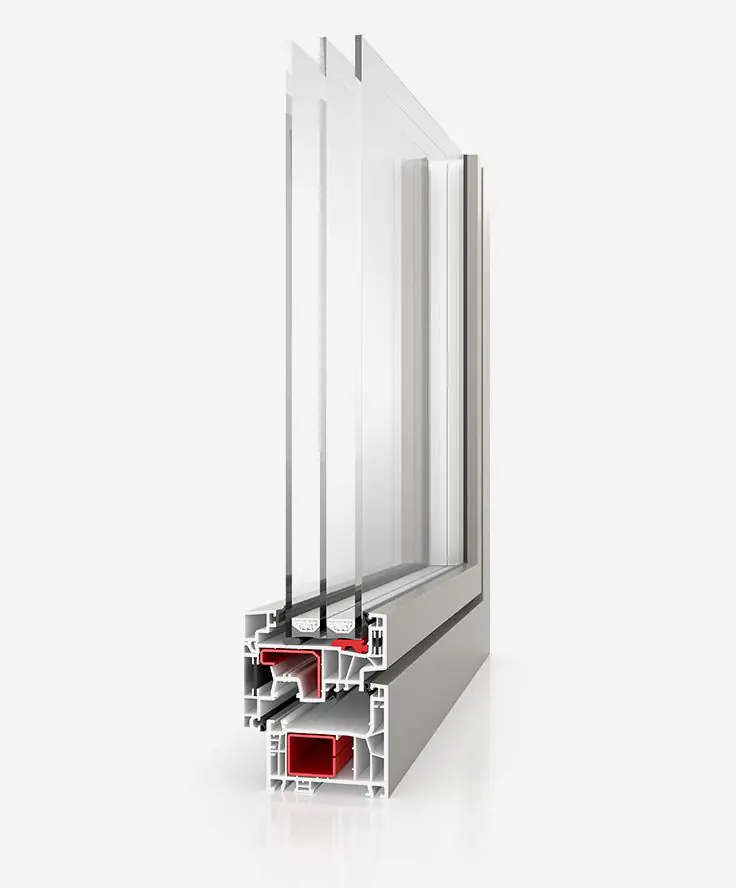
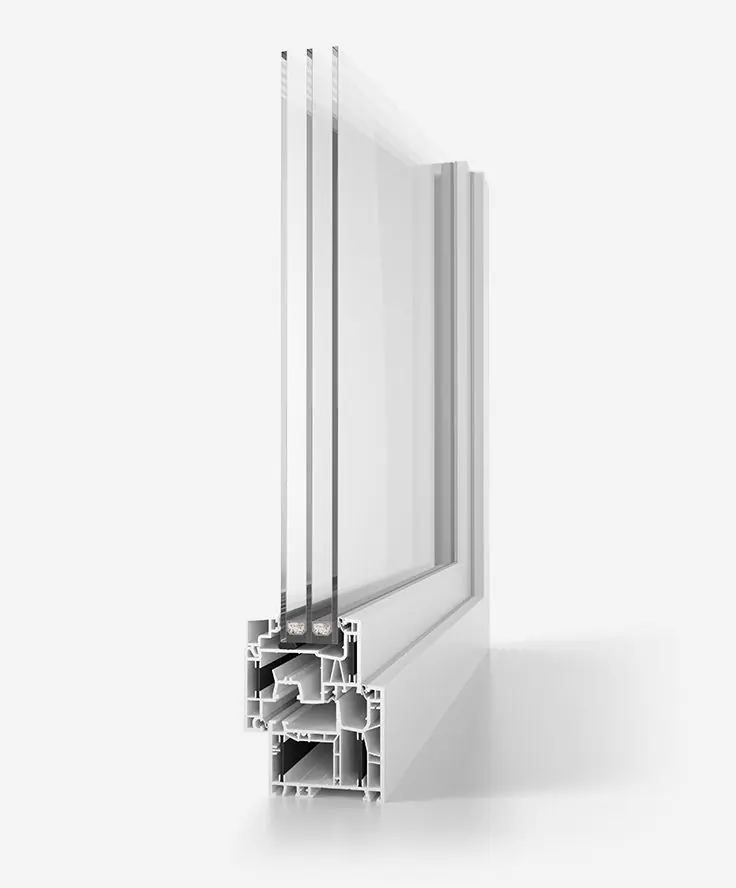
Energeto NEO is Aluplast's high-performance window platform, combining clean contemporary design with advanced insulation and reinforcement technology.
The system is designed around energy efficiency, strength and a refined appearance. Flush and non-flush configurations, triple glazing and a broad choice of modern surface finishes allow Energeto NEO to work across low-energy new-builds, renovations and design-led residential projects.

TECHNOLOGY INSIDE
Composite reinforcement technology provides stability while reducing reliance on conventional steel reinforcement, helping improve the thermal performance of the frame.
Bonded glazing technology connects the glass unit to the sash, contributing to structural stability and supporting larger, highly insulated glazed elements.
Insulating foam within selected profile chambers further reduces thermal transmission through the frame in the highest-performance configurations.
DESIGN OPTIONS
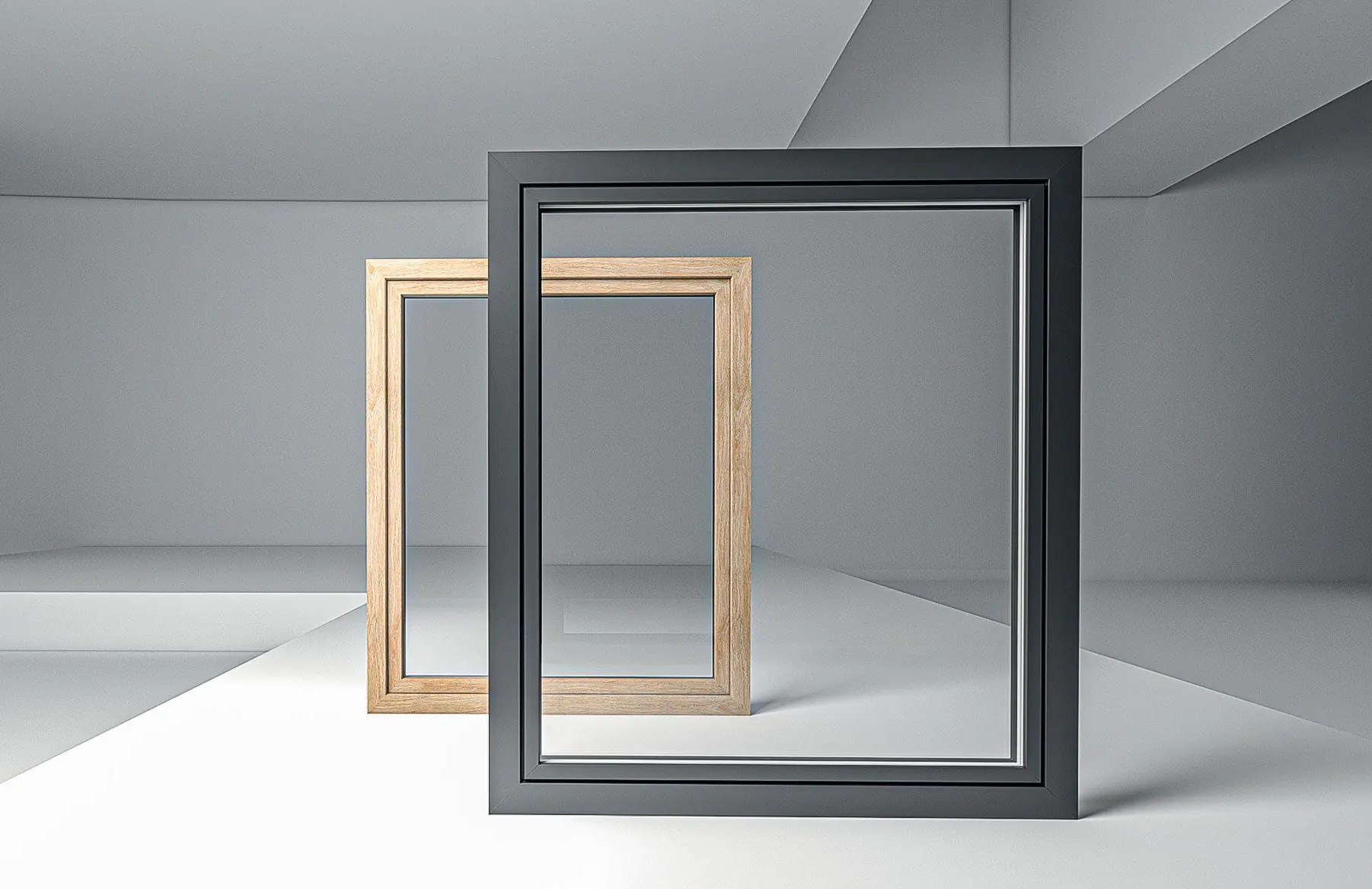
Energeto NEO offers different sash and frame expressions so the window can be matched to the architecture rather than dictating it.
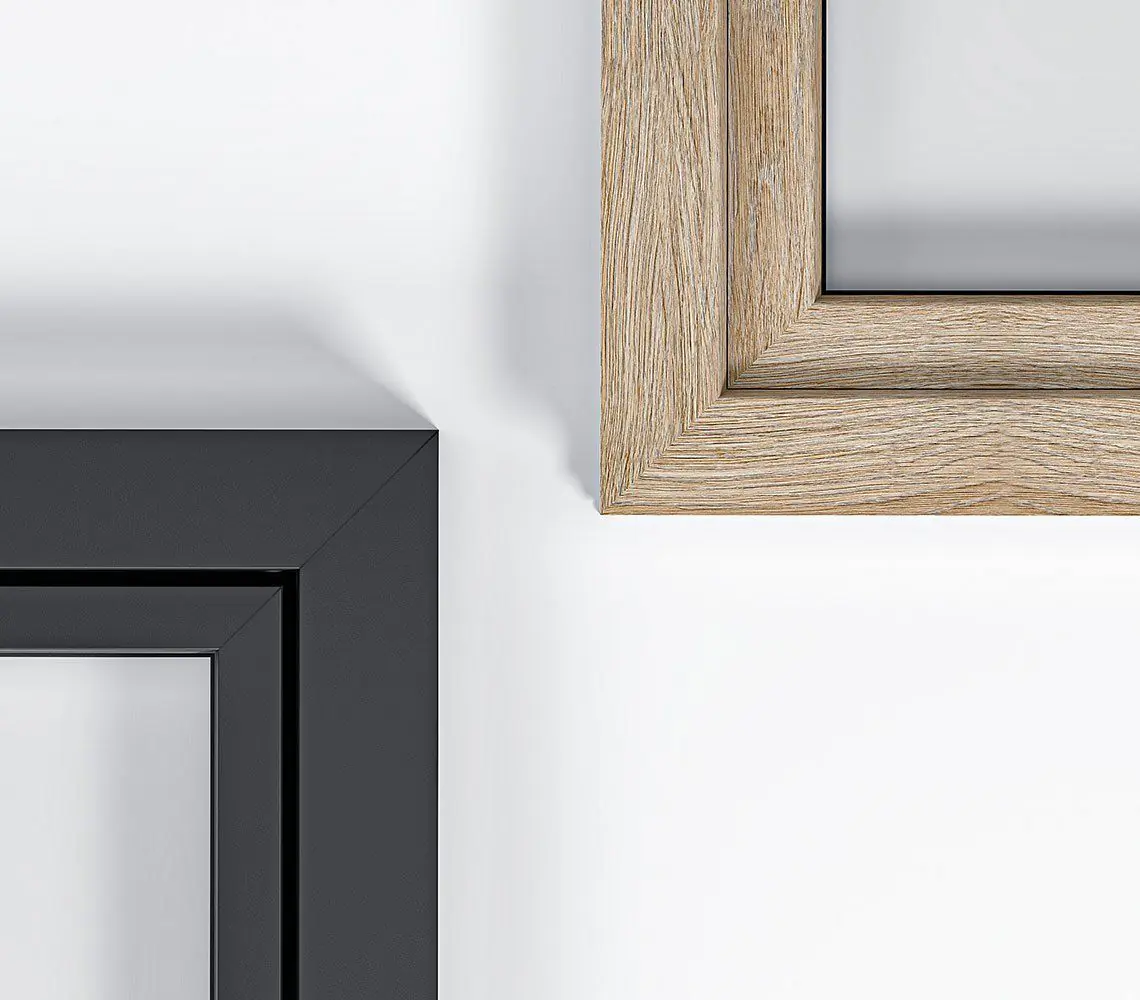
WOODEC • ALUDEC • COLOUR
From deep architectural tones to realistic timber effects, the finish range allows the same high-performance platform to sit comfortably in both contemporary and more traditional buildings.
Woodec surfaces reproduce the visual depth and tactile character of timber, while Aludec finishes provide an aluminium-inspired appearance. The result is greater design freedom without changing the underlying window technology.
*Uw performance depends on window size, glazing, spacer, reinforcement and final configuration. Project-specific values should be confirmed at specification stage.
WHY HIGH-PERFORMANCE WINDOWS?
Reducing heat loss through the glazing and frame can lower space-heating demand and improve whole-building efficiency.
Warmer internal surface temperatures and better airtightness help reduce cold downdraughts and uneven room temperatures.
Appropriate glazing and well-sealed frames can significantly improve acoustic comfort, particularly in busy urban locations.
Better fabric performance reduces operational energy demand, while durable and recyclable materials can improve whole-life performance.